
Strategic Plan - July 27, 2025
Wah Pow Healing and Wellness Society (WPHWS) & Wah Pow Healing Lodge (WPHL)
Strategic Plan 2025 - 2030
PREPARED BY:
JTK Research & Consulting, Inc.
I. Organizational Profile
A. Mission Statement
Provides a safe environment of holistic healing and wellness for IYINIWAK to return to NEHIYAW PIMÂTISIWIN through guidance and mentorship.
B. Vision Statement
Healing and Wellness for all IYINIWAK.
C. History and Background
History of Wah Pow Healing Lodge (WPHL)
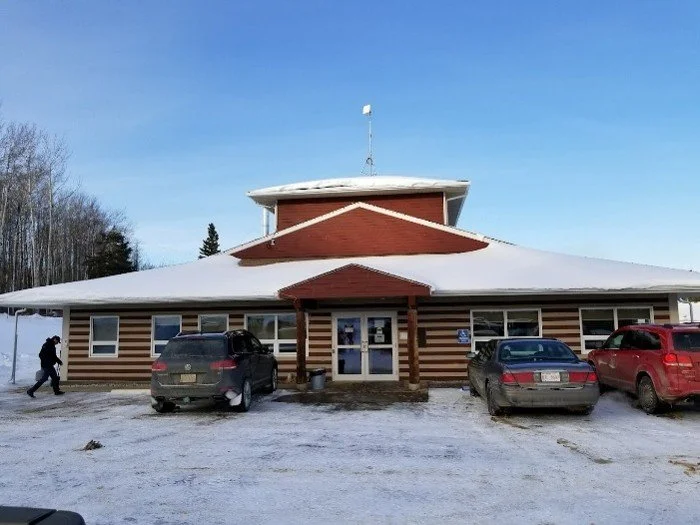
The Wah Pow Healing Lodge (WPHL), formerly the Wah Pow Treatment Centre, is a testament to the vision and resilience of the Beaver Lake Cree Nation. As a non-profit, NNADAP-funded addictions treatment facility, its history is one of community-led healing, adaptation, and a deep connection to the land.
The Vision and Founding (1983 - 1984)
In 1983, the leadership of Beaver Lake Cree Nation faced a growing crisis of alcoholism that was causing chaos within the community. A council of leaders, seeking a sustainable and healthy future, recognized that the path to healing had to begin from within. As Chief Al Lameman recounted, they sought to set an example and establish a starting point for this journey.
The inspiration for the centre's location and name came directly from the land. Chief Lameman led a group into the bush on the east side of the reserve. There, he identified the ideal place for a healing lodge. The name itself was chosen from the landscape: "When you look across the lake, you will see a narrow opening, in the Cree language this is called WAH POW." This name forever rooted the centre in its physical and linguistic heritage.
The vision became a reality through a combination of timely opportunity and determined negotiation. The closure of the Charles Campsell Hospital in Edmonton freed up a significant amount of federal funding. The Nation's leadership successfully negotiated with the Medical Services Branch of Health Canada, securing the necessary capital to begin construction of the Beaver Lake Wah-Pow Detox Centre in August 1984. The facility opened as a 10-bed detoxification centre offering a 10-day program with 14 staff members.
Growth and Expansion (1985 - 2019)
The immediate and overwhelming need for the centre's services prompted rapid growth. By 1985, just a year after opening, the facility expanded its mandate from detoxification to treatment. It grew to accommodate 25 beds and offered a comprehensive 42-day program.
A decade later, in 1995, the centre evolved again to meet the needs of families impacted by addiction. Four family units were constructed, allowing parents to bring their children with them into treatment—a critical component of holistic healing. This expansion, which included the addition of a new building through the dedicated work of then-Director Doreen Lameman, prompted a name change to the Beaver Lake Wah Pow Treatment Centre. For the next 25 years, the centre was a vital resource, serving Indigenous clients from across Alberta.
Transition and Renewal (2020 - 2025)
The year 2020 marked a period of profound change. The global COVID-19 pandemic forced the temporary closure of the treatment centre. During this hiatus, its primary funder, Health Canada’s First Nations and Inuit Health Branch (FNIHB), introduced a significant policy shift for the National Native Alcohol and Drug Abuse Program (NNADAP). All funded treatment facilities were now required to be governed by independent, non-profit societies operating at arm's length from their host First Nation's Chief and Council.
After careful deliberation, the Beaver Lake Cree Nation leadership agreed to this new governance model. In the summer of 2023, they appointed three First Directors to establish the new society. These directors soon expanded the Board by recruiting an Elder and a youth representative from the Beaver Lake Cree Nation, ensuring that the Nation’s perspective remained at the core of its governance.
In 2024, following a period of leadership transition, a board member stepped down from her position to become the facility's Executive Director. The Board was subsequently brought to four members with the addition of another individual from Beaver Lake Cree Nation.
With the assistance of legal and consulting expertise, the new Board undertook the formal process of restructuring. In March 2025, the Wah Pow Healing and Wellness Society (WPHWS) was officially registered as a Federal non-profit corporation. The facility was renamed the Wah Pow Healing Lodge (WPHL) to better reflect its holistic and culturally-grounded approach to wellness.
D. Organizational Structure
E. Core Programs and Services
WPHL offers a 60-day residential treatment program founded on the belief that addiction recovery for Indigenous peoples is most effective when grounded in their own cultural and spiritual concepts. While designed for Indigenous clients, the program’s principles are universal and applicable to individuals from all backgrounds. Several core goals guide the program:
To educate clients about the nature of addiction using a variety of methods, including group sessions, one-on-one counselling, and hands-on teachings.
To promote a healthy, addiction-free lifestyle.
To enhance clients' cultural and spiritual awareness through traditional practices such as smudging, ceremonies, Elder teachings, and harvesting medicines.
To develop individualized treatment and aftercare plans that support lifelong sobriety.
The program utilizes an eclectic treatment model that integrates cognitive, emotional, and behavioural therapies with the traditional teachings of the medicine wheel. This holistic approach addresses the four essential aspects of a person's being:
Mental (Cognitive): This component focuses on education. Clients participate in a series of sessions that provide them with the necessary information about addiction to understand their condition and make informed, positive choices for their future.
Emotional: This component supports clients in addressing the core issues and feelings that underlie their addictions. The objective is to lay a foundation for healthy emotional growth and regulation.
Physical (Behavioural): This component involves structured activities designed to teach practical life skills and tools for healthy living. It includes daily routines such as physical exercise and access to nutritious meals.
Spiritual: This component blends traditional Indigenous spiritual practices with the principles of 12-step recovery programs. Activities include pipe and sweetgrass ceremonies, sweat lodges, round dances, meditation, and sessions with Elders.
II. Environmental Scan
A. Internal Analysis (Strengths and Weaknesses)
An internal analysis reveals that the organization's primary strengths are its human and cultural assets. WPHWS/WPHL is guided by a dedicated Board and staff who are committed to the Lodge's mission and grounded in Indigenous culture. The facility's long history and location are also significant advantages. Key weaknesses are concentrated in organizational health and capacity. These include internal staff dynamics, the lack of a long-term leadership plan, non-competitive compensation, and insufficient on-site medical and mental health support.
1. Strengths
A committed Board of Directors with a shared vision for the Society and the Healing Lodge.
A resilient and dedicated Board that has effectively managed organizational change.
A core staff group that is dedicated to their work and the clients they serve.
A strong cultural foundation, with active staff participation in ceremonies and guidance from Elders.
A physical location that connects clients with the healing properties of the land and water.
Established positive relationships with key partners.
A long history of successful operation (since 1984), with significant institutional knowledge held by Board members.
An inclusive service model that welcomes clients from all demographics.
Clinically qualified and certified counselling staff.
An organizational culture that supports open and honest communication.
2. Weaknesses
The presence of ingrained lateral violence impacts staff cohesion and teamwork.
Gaps in internal communication protocols and practices, such as not copying those who should have been copied in emails and not articulating what needs to be said clearly.
Lack of a long-term executive leadership succession plan and a non-competitive compensation package.
Insufficient on-site medical capacity (e.g., not having its own Registered Nurse or psychiatric nurse), with a reliance on the Nation’s over-extended health services.
Limited on-site psychological support for clients and staff.
B. External Analysis (Opportunities and Threats)
The external environment presents significant opportunities for growth, driven by high demand for Indigenous-specific treatment and increased funder awareness of the addictions crisis. There is potential to secure new funding, achieve national accreditation, expand services, and strengthen strategic partnerships. The primary threats are political and financial in nature. These include potential political interference, uncertainty in government funding, aging infrastructure, and reputational risks that could undermine the Lodge's autonomy and stability.
1. Opportunities
Heightened public and funder awareness of the addiction crisis, increasing the value of recovery services.
High demand for Indigenous-focused treatment due to limited specialized capacity in the province.
Potential to achieve national accreditation, which would enhance credibility and access to funding.
Opportunity for capital expansion to add new, in-demand services such as medical detoxification.
Access to diverse grant funding streams and private donations upon achieving charitable status.
Expansion of land-based programming that is based on best practices in Indigenous wellness to meet client needs (e.g., community gardens, box-gardening for now; will be doing a one-week land-based cultural day-camp for clients).
Strengthening partnerships for practicum placements, service delivery, and professional support (e.g., community, Elders, other Indigenous organizations, Beaver Lake health centre, Portage College, CDI college, Blue Quills College).
Incorporation of innovative therapeutic modalities, such as equine therapy.
2. Threats
Political interference from the host Nation, which could undermine the Society's operational autonomy.
Unpredictable changes in provincial or federal government policies and funding priorities.
Risk of federal government actions that do not respect the Treaty Right to Health.
Aging infrastructure and uncertainty regarding capital funding for necessary repairs and upgrades.
Potential loss of key institutional knowledge due to Board member turnover.
Misperceptions within the community regarding the Society's independent, non-profit status.
Reputational risk from gossip by community members and/or former employees.
Operational and legal liabilities inherent in providing clinical care.
Poor telecommunications infrastructure at the facility creates communication and safety risks.
C. Stakeholder Analysis
A stakeholder analysis identified two primary partners with a high degree of interest in and influence over the Wah Pow Healing Lodge: (1) Beaver Lake Cree Nation (BLCN) and (2) Health Canada’s First Nations and Inuit Health Branch (FNIHB). Both are considered key partners who must be actively and strategically engaged. The relationship with BLCN is rooted in shared culture, land, and community wellness, requiring respectful and continuous collaboration. The relationship with FNIHB is contractual and financial, essential for operational viability, and is managed through transparent reporting and the demonstration of program effectiveness. The following matrix outlines the specific interests, sources of influence, and tailored engagement strategies for each of these critical stakeholders.
III. Strategic Direction
The following four strategic goals represent the WPHWS priorities for the 2025-2030 period. These goals are designed to build upon the Lodge’s foundational strengths, address key areas for improvement identified by staff and leadership, and realize the long-term vision of becoming a nationally recognized leader in Indigenous healing. The Board of Directors acknowledges that these goals are interconnected; progress in enhancing our program and infrastructure (Goal 2) and expanding our services (Goal 4) is contingent upon securing financial resources (Goal 3). Conversely, demonstrating tangible progress towards our programmatic and governance goals is essential for attracting the funding needed for long-term security and growth.
A. Strategic Goal 1: Establish a Stable and Effective Governance and Leadership Structure
This goal focuses on solidifying the operational and governance structure of WPHWS to ensure long-term stability, accountability, and resilience. By developing a filled, skills-based Board, supporting executive leadership, and formalizing a productive relationship with Beaver Lake Cree Nation (BLCN), we will create an environment free from political interference where the focus remains squarely on client healing and organizational excellence.
A1. Short-Term Objectives (By March 31, 2026)
Objective A1.1: Actualize the WPHWS Board of Directors to its full complement of seven members.
Activity: Implement the Board-approved, skills-based selection criteria to recruit, vet, and appoint new members, ensuring representation from Treaty 6, 7, and 8 territories.
Activity: Develop and deliver a comprehensive orientation package for all new and existing Board members covering fiduciary duties, bylaws, policies, and the WPHL history.
Objective A1.1: Formalize a productive and respectful working relationship with Beaver Lake Cree Nation.
Activity: Secure signatures from both WPHWS and BLCN Chief and Council on the finalized Relationship Agreement.
Activity: Establish a regular meeting schedule (e.g., quarterly) between the WPHL Executive Director, WPHWS Board Chair, and BLCN leadership to ensure open communication and operationalize the terms of the agreement.
A2. Medium-Term Objectives (By March 31, 2027)
Objective A2.1: Ensure stable, effective, and supported executive leadership for the Healing Lodge.
Activity: Develop a clear performance management plan and professional development budget for the Executive Director.
Activity: Create a comprehensive, long-term Executive Director succession plan that outlines the recruitment and transition process to prepare for future leadership changes.
Activity: Review and strengthen internal policies (e.g., staff complaint and communication protocols) to reinforce the chain of command and insulate the ED from undue political pressure.
B. Strategic Goal 2: Become a State-of-the-Art Healing Lodge with a Nationally Recognized Program
This goal is centered on elevating the service quality, scope of service, and reputation of WPHL. We will achieve this by deepening our cultural programming, integrating evidence-based clinical practices, upgrading our physical infrastructure to meet and/or exceed standards, and achieving national accreditation. This will position WPHL as a leader in Indigenous wellness, blending the best of traditional healing with contemporary therapeutic models.
B1. Short-Term Objectives (By March 31, 2026)
Objective B1.1: Enhance and expand culturally-grounded, land-based healing programs.
Activity: Secure funding to hire at least one full-time Elder-in-residence to provide daily support and guidance to clients and staff.
Activity: Develop and implement a year-round calendar of land-based activities (e.g., medicine picking, snaring, ice fishing) integrated into the core treatment schedule.
Objective A1.1: Formalize a productive and respectful working relationship with Beaver Lake Cree Nation.
Activity: Secure signatures from both WPHWS and BLCN Chief and Council on the finalized Relationship Agreement.
Activity: Establish a regular meeting schedule (e.g., quarterly) between the WPHL Executive Director, WPHWS Board Chair, and BLCN leadership to ensure open communication and operationalize the terms of the agreement.
B2. Medium-Term Objectives (By March 31, 2027)
Objective B2.1: Achieve national accreditation for the WPHL treatment program.
Activity: Formalize the adoption of the Mark Amy Model, providing training to all clinical staff on its application.
Activity: Provide targeted staff training in therapeutic modalities relevant to the client population, including but not limited to Cognitive Behavioural Therapy (CBT), Dialectical Behaviour Therapy (DBT), Acceptance and Commitment Therapy (ACT), and Opioid Agonist Therapy (OAT).
B3. Long-Term Objectives (By March 31, 2030)
Objective B3.1: Upgrade the physical infrastructure to create a modern, safe, and therapeutic environment.
Activity: Complete a comprehensive infrastructure master plan, including architectural designs and cost estimates for infrastructure repair and new additions to the existing building (e.g., expanded session rooms and dining rooms, additional offices, and road improvements).
Activity: Secure capital funding for phased renovations and construction projects.
Activity: Explore the feasibility and funding for specialized infrastructure, such as a year-round equine therapy facility.
C. Strategic Goal 3: Achieve Financial Security and Sustainability
This goal aims to develop a resilient and diverse financial model that can support operational excellence, competitive staff compensation, continuous professional development, and strategic growth. By optimizing our core federal funding, achieving charitable status, and developing new revenue streams, we will ensure the Lodge has the resources necessary to fully implement Strategic Goals 2 and 4.
C1. Short-Term Objectives (By March 31, 2026)
Objective C1.1: Optimize core funding from federal government sources.
Activity: In collaboration with BLCN as per the Relationship Agreement, develop and submit a comprehensive, multi-year funding proposal to Indigenous Services Canada that reflects the full operational and programmatic costs of the Lodge.
Activity: Conduct a salary and benefits review and develop a compensation grid to ensure WPHL can attract and retain high-quality staff, including plans for cost-of-living adjustments.
Objective C1.2: Obtain charitable (donee) status from the Canada Revenue Agency.
Activity: Complete and submit the formal application for charitable status.
Activity: Develop internal financial tracking and reporting policies that comply with CRA requirements for charities.
C2. Medium-Term Objectives (By March 31, 2027)
Objective C2.1: Diversify revenue streams to reduce sole reliance on federal funding.
Activity: Develop a multi-year fundraising plan targeting foundations, corporate partners, and private philanthropy.
Activity: Research and apply for at least three new grant opportunities to support specific programs (e.g., land-based learning, staff training, aftercare).
D. Strategic Goal 3: Expand the Service Continuum to Include Medical Detoxification and Comprehensive Aftercare
This goal focuses on creating a seamless, holistic healing journey for clients by addressing critical gaps in the current service continuum. By establishing pathways for safe, medically supported detoxification and implementing a robust aftercare program, we will better prepare clients for treatment and provide them with the long-term support needed for successful, sustained recovery and community reintegration.
D1. Medium-Term Objectives (By March 31, 2027)
Objective D1.1: Establish a clear and accessible pathway for client detoxification before treatment.
Activity: Complete a feasibility study to determine the optimal model for detox services, assessing options for an on-site, medically-supported unit versus a formal partnership with an external provider.
Activity: Formalize collaborative discussions with Lac La Biche County and other regional partners to explore joint-venture opportunities for a regional detox facility.
Activity: Based on the feasibility study, develop a complete implementation plan and operational budget for the selected detox model.
Objective C1.2: Obtain charitable (donee) status from the Canada Revenue Agency.
Activity: Complete and submit the formal application for charitable status.
Activity: Develop internal financial tracking and reporting policies that comply with CRA requirements for charities.
D2. Long-Term Objectives (By March 31, 2030)
Objective D2.1: Design and implement a comprehensive, multi-faceted aftercare program.
Activity: Conduct a formal needs assessment and evaluation of the existing aftercare program to identify strengths and gaps.
Activity: Develop a detailed program model for aftercare that includes transitional sober-living residences (men's and women's), life skills training (financial literacy, cooking), job skills development, and support for family reunification.
Activity: Secure dedicated funding and establish community partnerships to launch and staff the aftercare residences and programs.